


Cat Scratch Fever - Is It Real?


We have all heard about cat scratch fever and the term has even been referenced in a few popular songs. However, do you really know what it means? Truthfully, cat scratch fever is not referring to a scratch filled sexual experience as the song references. Instead, it's actually a real condition cats can pass on to their owners. Here, we will dive into cat scratch fever and other conditions your cat can contract and possibly pass on to you.
CAT SCRATCH FEVER
This is not something your cat can actually get. It is not a feeling of restlessness from being confined for too long and it's definitely not a fatal disease. Basically, cat scratch fever is when your cat scratches you and breaks skin. Bacteria from your cat's claws can cause irritation to your dermis leaving behind a few red welts.
The medical field calls the condition "Cat Scratch Disease." A little while after the initial scratch, the area will appear red and slightly hot or feverish to the touch. Sometimes the area can be itchy too. Don't worry though as most cat scratch fevers alleviate themselves naturally. However, you may need antibiotics if the condition worsens or if you have a compromised immune system. Antibiotic cream is an excellent topical treatment, so the next time your cat scratches you, simply put a thin layer of antibiotic cream on the scratch to avoid possible cat scratch fever.
WORMS
It is not uncommon to have a cat with worms. Often when a cat is adopted either from a shelter or elsewhere, worms are apparent. The most common type of worms cats can get is Toxocara Cati, or roundworms. These worms can develop when sanitation is poor and the animal does not have a clean space to live or has been living in close proximity to their own feces. Roundworms are easily treatable with proper deworming medication, but make no mistake about it, they can take over a cat's entire digestive tract and potentially lead to death if left untreated. Unfortunately, humans can contact the same worms. To avoid worms impacting your cat's health as well as your family's, deworm any cat brought into your home no matter where they are from as a precaution.
RINGWORM
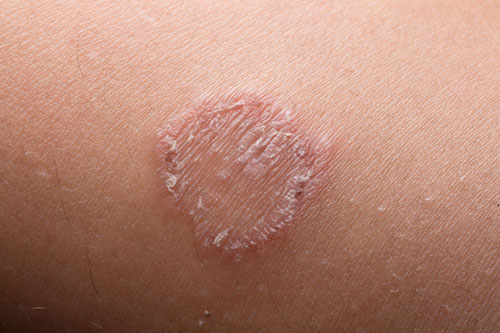
Not everyone has seen ringworm before. For those working with children in any capacity, ringworm is a common condition that has been linked to contraction from both cats and dogs. Although it is called ringworm, there are actually no worms present. The terms comes from how the condition appears on human skin. Generally, a ringworm is denoted by a circular shaped red ring that grows if left untreated. Ringworm is highly contagious and should be treated at first sight.
If you notice legions on the head, ears, and forward limbs of your cat, ringworm is a possibility. Consult your vet for the right medications for eradicating this fungal infection and be prepared to wash everything in your home as ringworm spores can live on surfaces for many, many days.
SCABIES
You pet your cat everyday and give them the love and devotion they so richly deserve, but if upon petting your cat you notice raised legions, or if your cat is scratching excessively, you might want to wash your hands and take them to the vet. Cats are prone to contractions from playing outside and getting into any area where scabies mites happen to be. Scabies can be passed to humans but are generally easy to treat. Most scabies cases, both animal and human, are treated with a topical cream that skills or extracts the mites from the skin.
SALMONELLA
We generally hear of salmonella being passed to humans through raw food, but cats can get it too and pass it on to humans. However, if you believe you will contact salmonella from merely petting your cat, you're mistaken. Cats contract this condition by eating raw meat such as catching and eating a bird outside or from owners who feed their cat undercooked or raw meat. The condition passes to humans through feces. It is recommended that you use gloves while changing your cat's litter box if they are prone to eating birds and bringing you gifts of dead animals from their adventures. If you notice a change in your cat, such as excessive vomiting or lethargy, take them to the vet immediately to determine if your cat has salmonella. It is treatable for both cats and humans.
GIARDIA
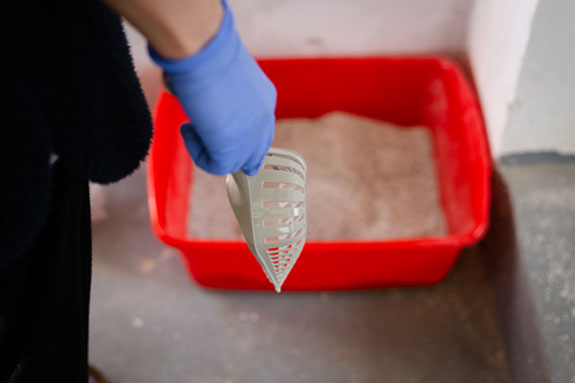
Giardia is a parasite that can be found in the feces of cats and other animals. Generally, the cat can pass on Giardia through their feces, so using gloves when cleaning the litter box can help guard against this condition. Signs of Giardia are greasy or soft, frothy stool from your cat. If the feces has a very strong odor or contains excess mucus, it is time to take your cat to the vet. The condition will not go away on it's own like some diarrhea issues can, so it's essential to get the cat seen as soon as possible and avoid touching any feces. Sanitize everything to ensure the condition does not return or become worse.
CONCLUSION
We all love our cats. They provide us with love and affection, and we take great care of them to ensure they live a long and happy life. Conditions such as cat scratch fever and other common cat illnesses can be carried over to humans very easily and although sharing is caring, you do not want to share these with your cat.
Ensure your cat receives regular checkups from your vet along with annual shots. Sanitize surfaces where your cat regularly resides, especially if your cat is known to roam around outside. If you notice changes in your cat's feces or their behavior, take them to the vet to ensure no permanent damage is done to the cat's nervous system or digestive tract.


